
LEVELUPSKILLZ TOPIC PATH
Parenting & transitions
Plan predictable transitions while adapting expectations to your child and your situation.
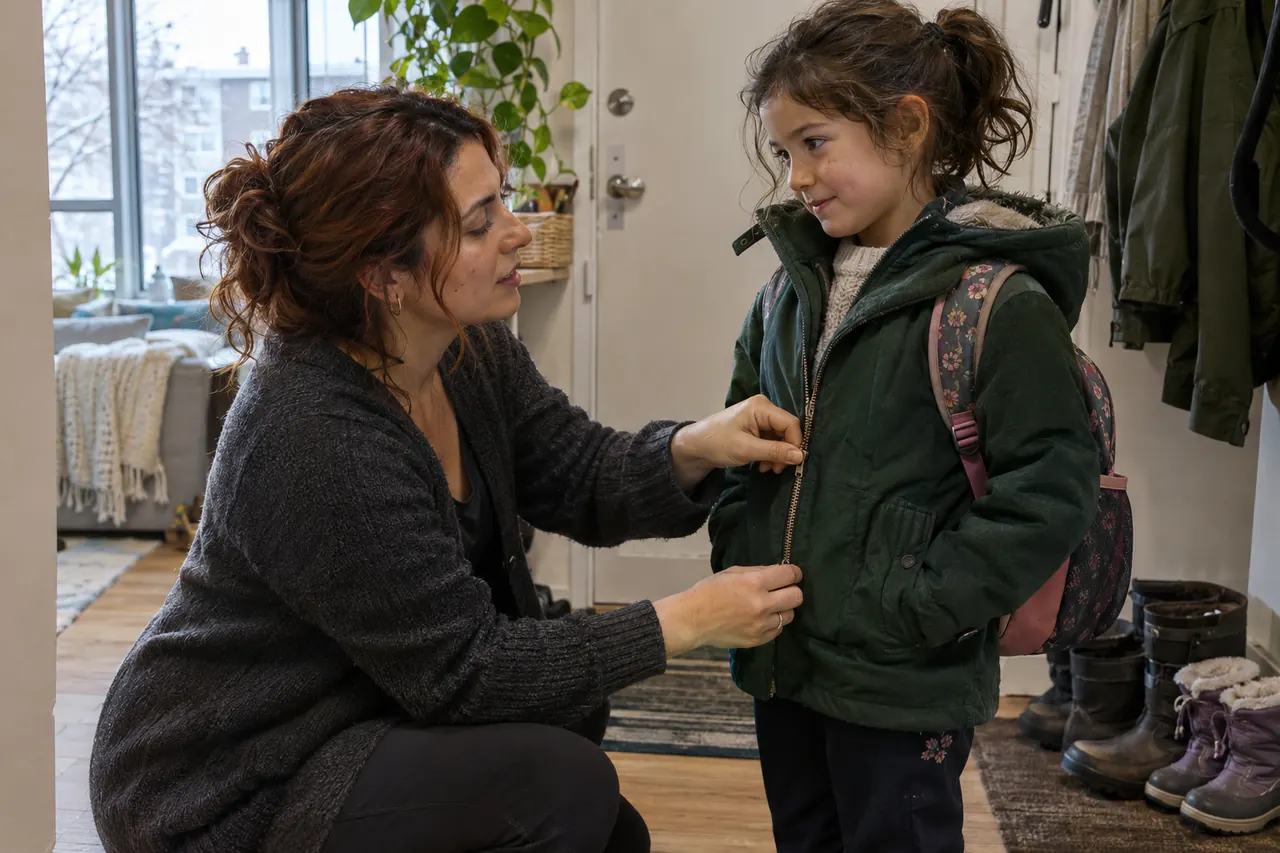
The starting point
A routine gives a child a recognizable sequence, while adults remain responsible for adapting it to the child's abilities and needs. Predictability can support daily life, but no script guarantees a calm transition every time. Start with one difficult change of activity, explain what follows and leave room to help the child through it.
One change to try this week
Before the next screen ending, decide the stopping point, the adult following through and the next activity. Explain the plan while everyone is calm. Keep the same short sequence for a few attempts, then adjust what proved unrealistic. Children should not be responsible for managing adult conflict or carrying messages between homes.
A LevelUpSkillz practical suggestion to adapt to your situation; this is not a validated protocol.
Choose your next question
Why Does My Child Melt Down When Screen Time Ends?
Why screen-time endings can trigger meltdowns, what makes transitions harder, and how to make the next screen transition calmer without endless bargaining.
Read the guide →02How to Transition Kids Off Screens Without a Fight
A practical screen-transition routine for ending tablets, games and TV with less arguing, fewer repeated warnings and a clearer next step.
Read the guide →03Screen Time Tantrums by Age: What Changes From 4 to 12+
How screen-transition problems can look different at ages 4–5, 6–8, 9–11 and 12+, with practical ways to adapt boundaries and handoffs.
Read the guide →04Screen Transition Scripts for Parents: What to Say Before, During and After
Short screen-transition scripts for setting the ending, responding to bargaining, handling upset and moving into the next activity without a long lecture.
Read the guide →05What to Do When Screen Time Warnings and Timers Don’t Work
If five-minute warnings and timers still end in arguments, build a fuller screen-transition plan around stopping points, next steps and consistent follow-through.
Read the guide →Sources and scope
Background source for this path: CDC, Tips for Relying on Routines and Rules (toddlers and preschoolers). Practical advice is editorial guidance, not the result of a trial of our products. Studies may concern populations different from your own.